


Buying a car remotely: how it works, step by step
6 Oct 2026 4 min
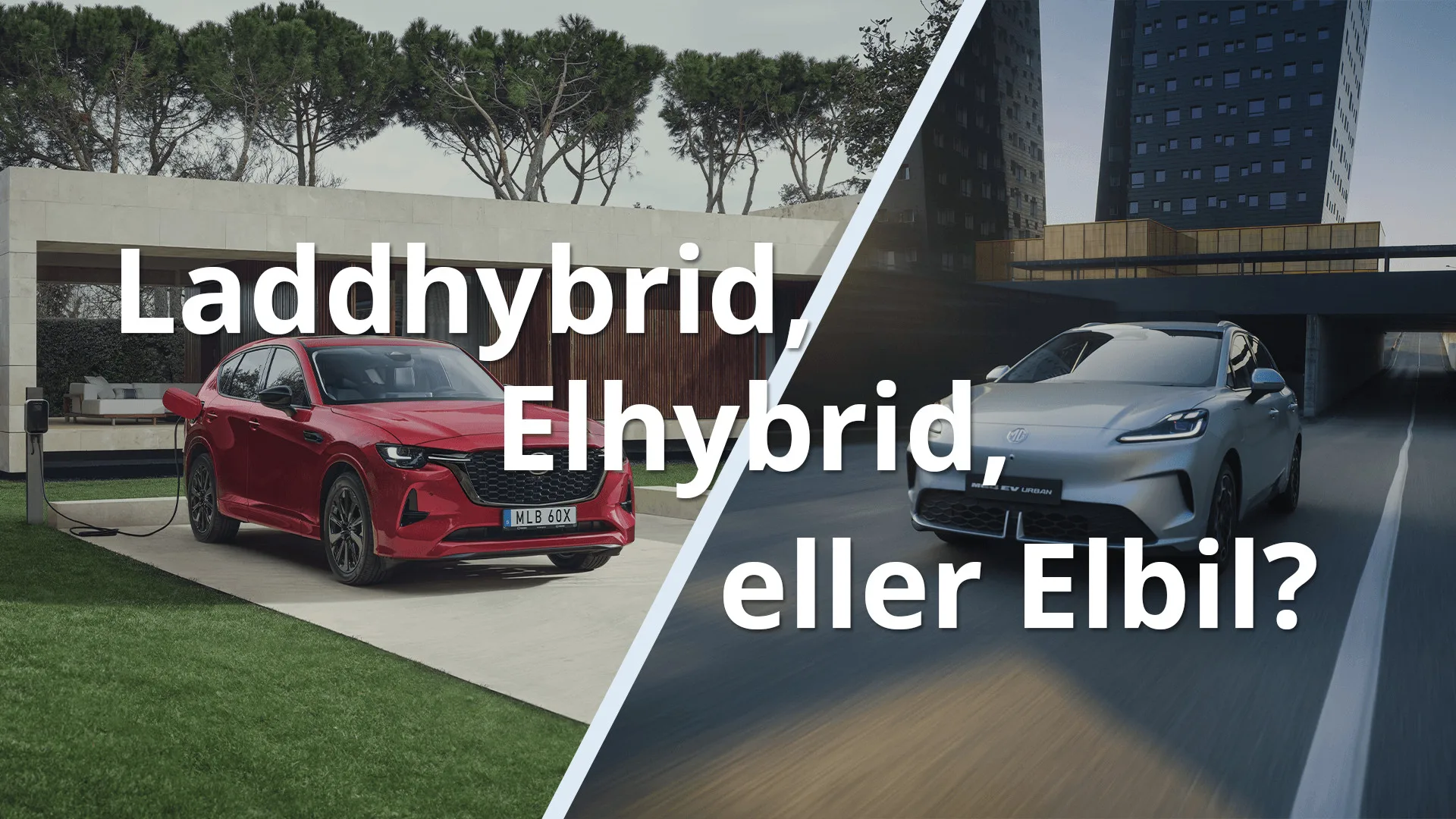
Electric hybrid, plug-in hybrid or electric car? All three reduce fuel costs – but they suit completely different everyday lives.
If you choose the wrong one, the savings can almost disappear. If you choose the right one, you can significantly reduce your mileage costs. Here's how it all works.
| Electric hybrid | Plug-in hybrid | Electric car | |
|---|---|---|---|
| Charged with cord | No | Yes | Yes |
| Runs on electricity only | Short pieces at low speed | Often 4–8 km | Always |
| Fuel | Petrol | Gasoline + electricity | El |
| Operating cost | Low | Very low if you charge often | Lowest |
| Service | Like a petrol car | Like a petrol car | Simpler, fewer wearing parts |
| Suits you as | Unable to charge | Can charge but runs long sometimes | Can charge at home or at work |
An electric hybrid combines a gasoline engine with a smaller electric motor and a small battery.
The battery is automatically charged while driving, including when you brake and coast. So you never need to connect the car to a charger.
The electric motor helps the petrol engine when needed. This reduces fuel consumption, especially in cities and heavy traffic.
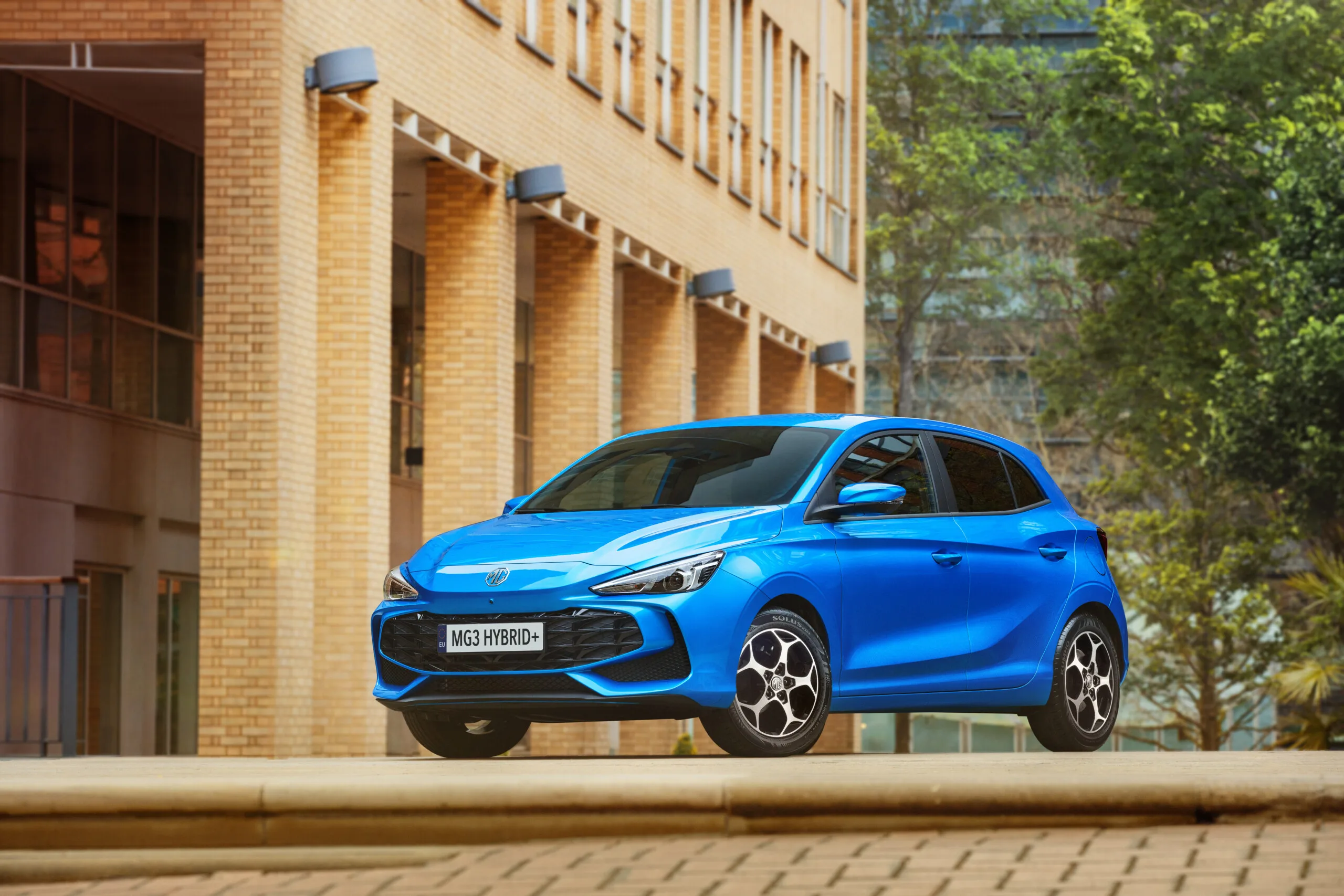
Electric hybrids are suitable for those who want to reduce fuel consumption but do not want to, or cannot, charge the car.
It's a simple step up from a regular petrol or diesel car. You drive and refuel just like you normally would – the car handles the electric drive itself.
✓ Our conclusion
Electric hybrids are often the easiest and cheapest step away from gasoline and diesel.
A plug-in hybrid has both a gasoline engine and an electric motor – just like an electric hybrid.
The difference is that the electric motor is more powerful and the battery is larger. You can charge the battery in a regular socket or a charging box.
Newer plug-in hybrids often have a range of 40–80 km on electricity in real driving. That's enough for most everyday trips. Older models have a shorter range, and in cold weather the range is reduced.
When the battery runs out, or when you drive long distances, the petrol engine takes over.

A plug-in hybrid is suitable for those who can charge at home or at work, but who sometimes make long journeys where you don't want to stop and charge.
During everyday life you drive on electricity. On your holiday trip you refuel as usual.
✓ Our conclusion
A plug-in hybrid is only as frugal as you let it be. Charge often!
An electric car runs only on electricity. It has no gasoline engine at all, but a large battery that you charge at home, at work or at a charging station.
The electric car almost always has the lowest operating costs. You may not get as far on a fully charged battery as you would on a full tank – but electricity is so much cheaper that the total will still be lower.
The exception is if you only charge on expensive fast chargers. Then the savings will shrink significantly.

An electric car is suitable for those who can charge at home or at work and mostly drive everyday routes.
The range of newer models is more than enough for everyday use – and for many long trips, with a charging break along the way.
✓ Our conclusion
If you can charge at home, the electric car is almost always cheaper in the long run.
A hybrid (electric hybrid) charges its small battery while driving. A plug-in hybrid has a larger battery that you charge with a cord, and can therefore drive several miles on electricity alone.
A mild hybrid has a small electric motor that helps the petrol or diesel engine, but it cannot drive the car on its own. It saves some fuel but is not a full hybrid.
No, the car can be driven on petrol even if the battery is empty. But then you lose most of the savings, and the car uses more fuel than a regular electric hybrid because it carries a heavy battery.
Yes, if you can charge at work, at a charging point near your home, or regularly at a public charger nearby. If you lack all of these options, an electric hybrid is often an easier choice.
In cold weather, more energy is used to heat the battery and interior, so the electric range is shorter. This applies to both electric cars and plug-in hybrids. Preheat the car while it is charging, and you will take the heat from the electrical network instead of the battery.
Yes. An electric hybrid basically works like a regular gasoline car in the cold, with slightly higher consumption in the first few kilometers.
For an electric car, we recommend a charging box. It charges faster and safer than a regular electrical outlet. A plug-in hybrid with a smaller battery can often be charged from a regular outlet overnight, but it's a good idea to have an electrician check the outlet first.
It depends on how far you drive and where you can charge. We've calculated that in Cheapest car to own in 2026.
Popular electric hybrids are the MG3 Hybrid+, Toyota Corolla Hybrid and Toyota Yaris Hybrid.
Popular plug-in hybrids are the Volvo XC60 Recharge, Kia Niro Plug-in Hybrid and Volkswagen Passat GTE.
Popular electric cars are the Tesla Model Y, Volkswagen ID.4 and Kia EV6.
Do you know which one suits you? See all our used electric hybrids, plug-in hybrids and electric cars here.
6 Oct 2026 4 min
6 Oct 2026 5 min
16 Oct 2026 · 8 min